Hydration vs Moisture: What Your Skin Needs
Introduction
When it comes to skincare, the terms “hydration” and “moisture” are often used interchangeably, but they’re not the same. Hydration refers to the water content in your skin, while moisture relates to the oils and lipids that protect and seal that water. Confusing the two can lead to products that don’t actually solve your skin concerns, leaving your complexion tight, flaky, or dull.
Understanding the hydration vs moisture difference is essential for healthy, resilient skin. At Bambeautica, we focus on combining gentle, natural botanicals like bamboo extract with science-backed formulations to deliver both hydration and barrier-strengthening moisture. This approach helps all skin types feel soft, plump, and calm.
What Hydration Really Means
Water Content in the Skin
Hydration describes the amount of water present in the epidermis, the outermost layer of the skin. Proper hydration helps the skin stay plump, flexible, and luminous.
Signs of Dehydrated Skin
-
Tightness after cleansing
-
Dull or flaky texture
-
Increased sensitivity
Ingredients That Hydrate
Humectants attract water into the skin. Effective hydrating ingredients include:
-
Hyaluronic acid
-
Glycerin
-
Bamboo extract (rich in water-binding silica)
- Aloe vera

What Moisture Really Means
Lipid and Oil Balance
Moisture refers to oils and lipids that form a protective layer on the skin’s surface, preventing water loss and maintaining softness.
Signs of Dry Skin
- Cracks or rough patches
- Redness or irritation
-
Flaking
Ingredients That Provide Moisture
Moisturizing ingredients replenish lipids and protect the barrier:
-
Emollients: squalane, shea butter
-
Occlusives: natural waxes, plant oils
-
Bamboo extract: supports barrier while locking in hydration
Why Both Hydration and Moisture Are Important
Skin Barrier Support
Water alone isn’t enough. Hydration without moisture evaporates quickly, leaving skin vulnerable. Lipids seal water in, supporting barrier integrity.
Plump, Soft, Resilient Skin
The combination of hydrated and moisturized skin creates a smooth, soft texture and helps prevent sensitivity.
Avoiding Common Mistakes
Relying solely on heavy creams may provide moisture but won’t hydrate. Using water-based products without sealing can leave skin dehydrated.

How to Layer Products for Maximum Hydration & Moisture
Step 1 - Hydrating Serums
Serums penetrate quickly to deliver water and active botanicals:
-
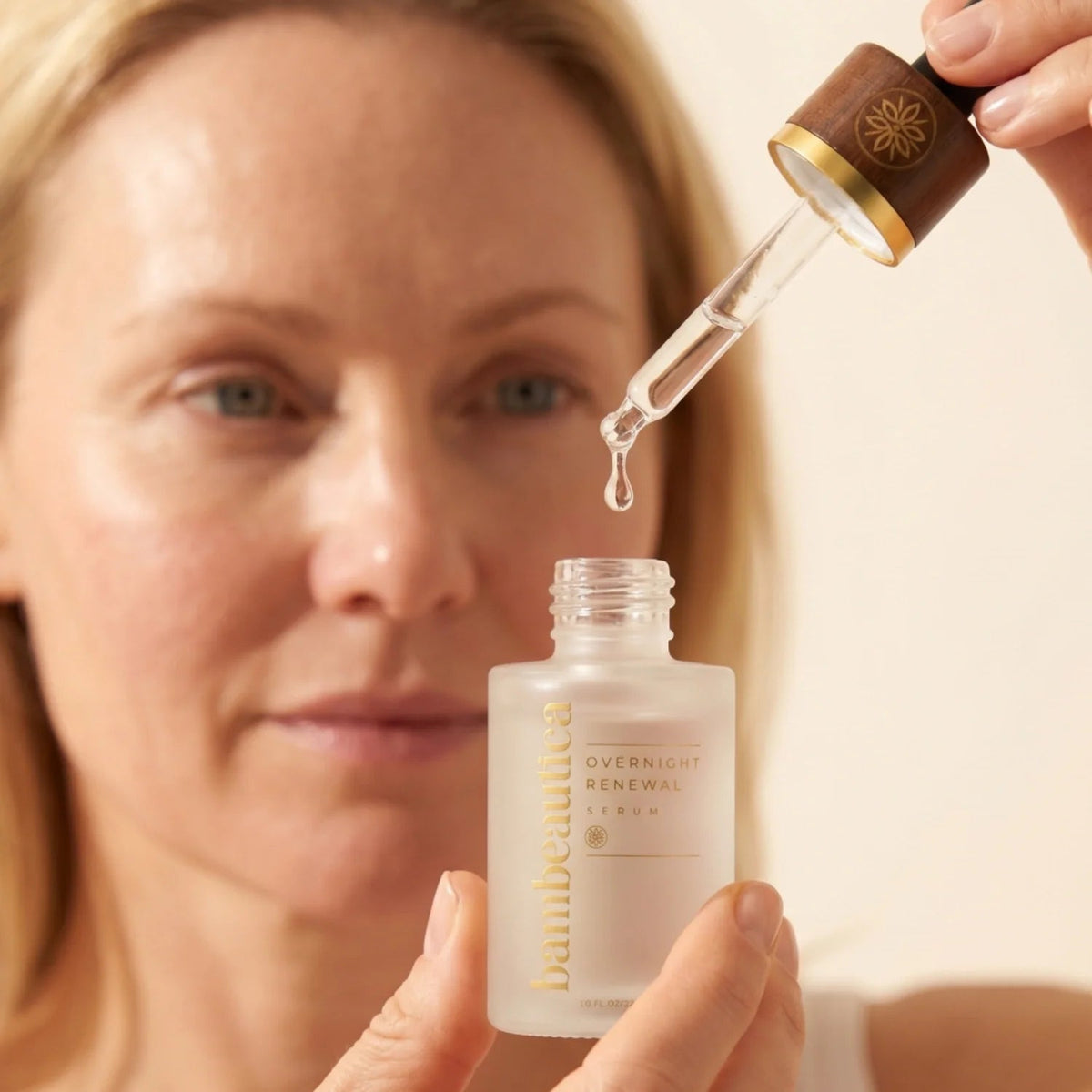
Bamboo extract serum: hydrates and soothes
- Hyaluronic acid: draws moisture into the skin
- Link to Radiance Recovery Serum
Step 2 - Moisturizers
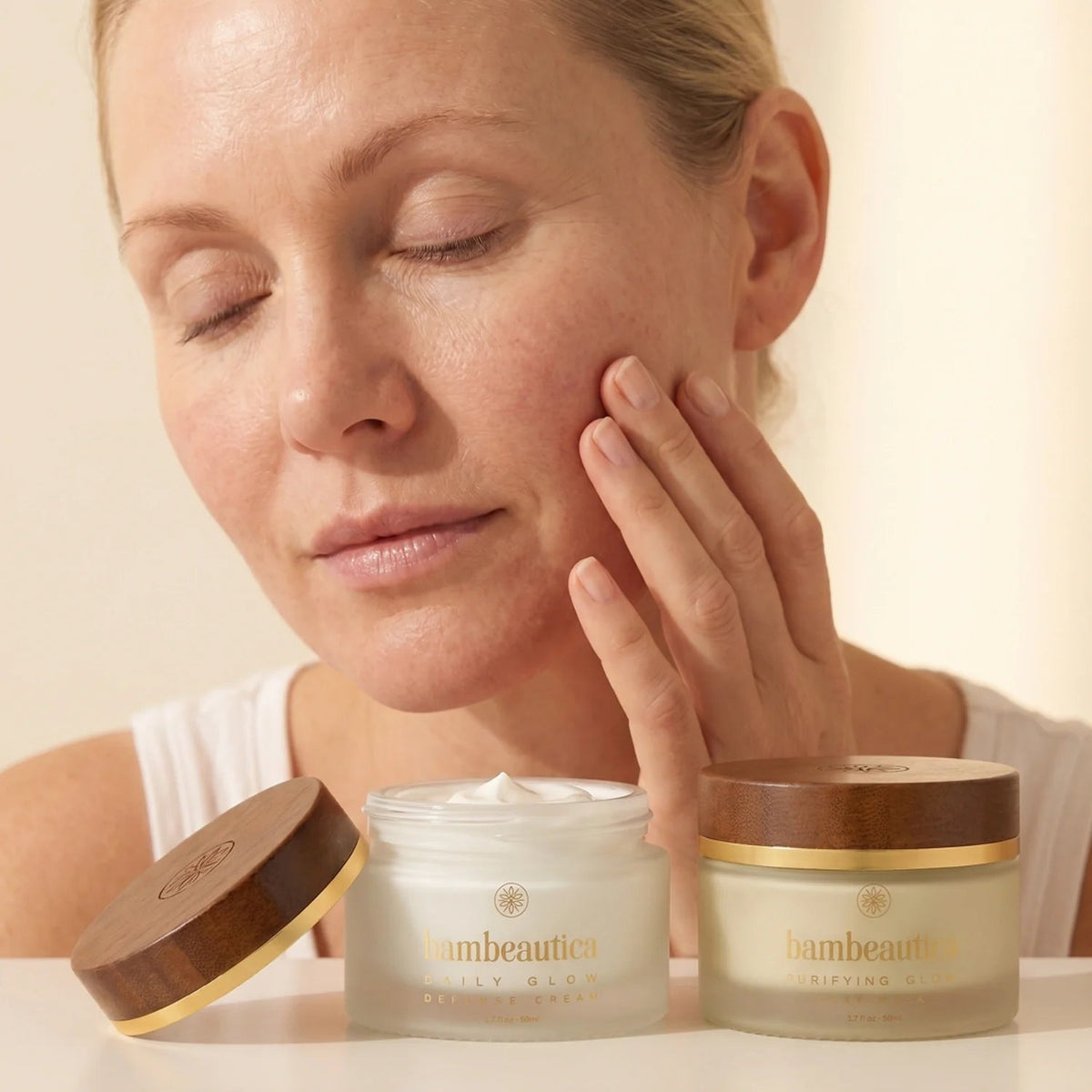
Creams and emulsions seal water in, replenish lipids, and strengthen the barrier:
-
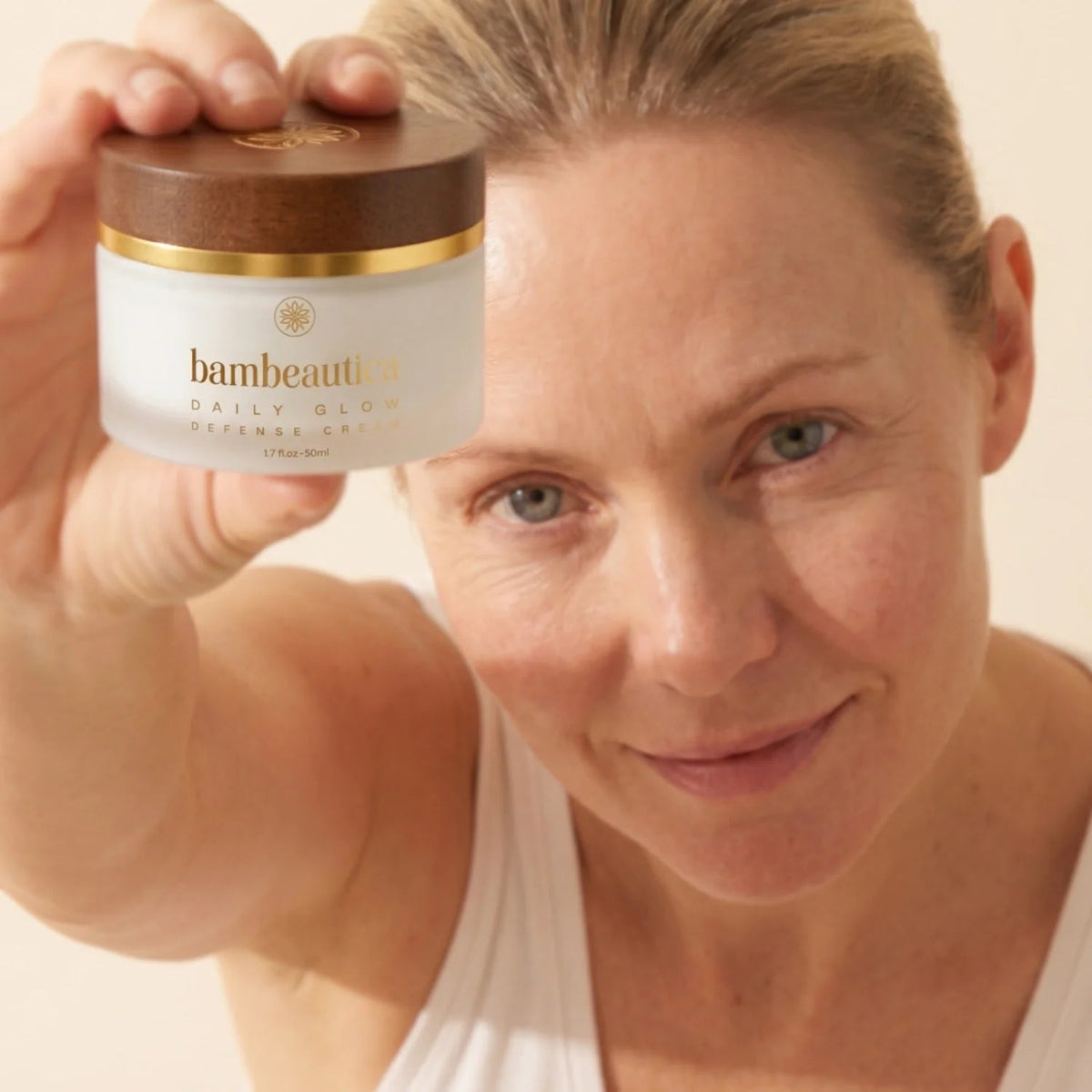
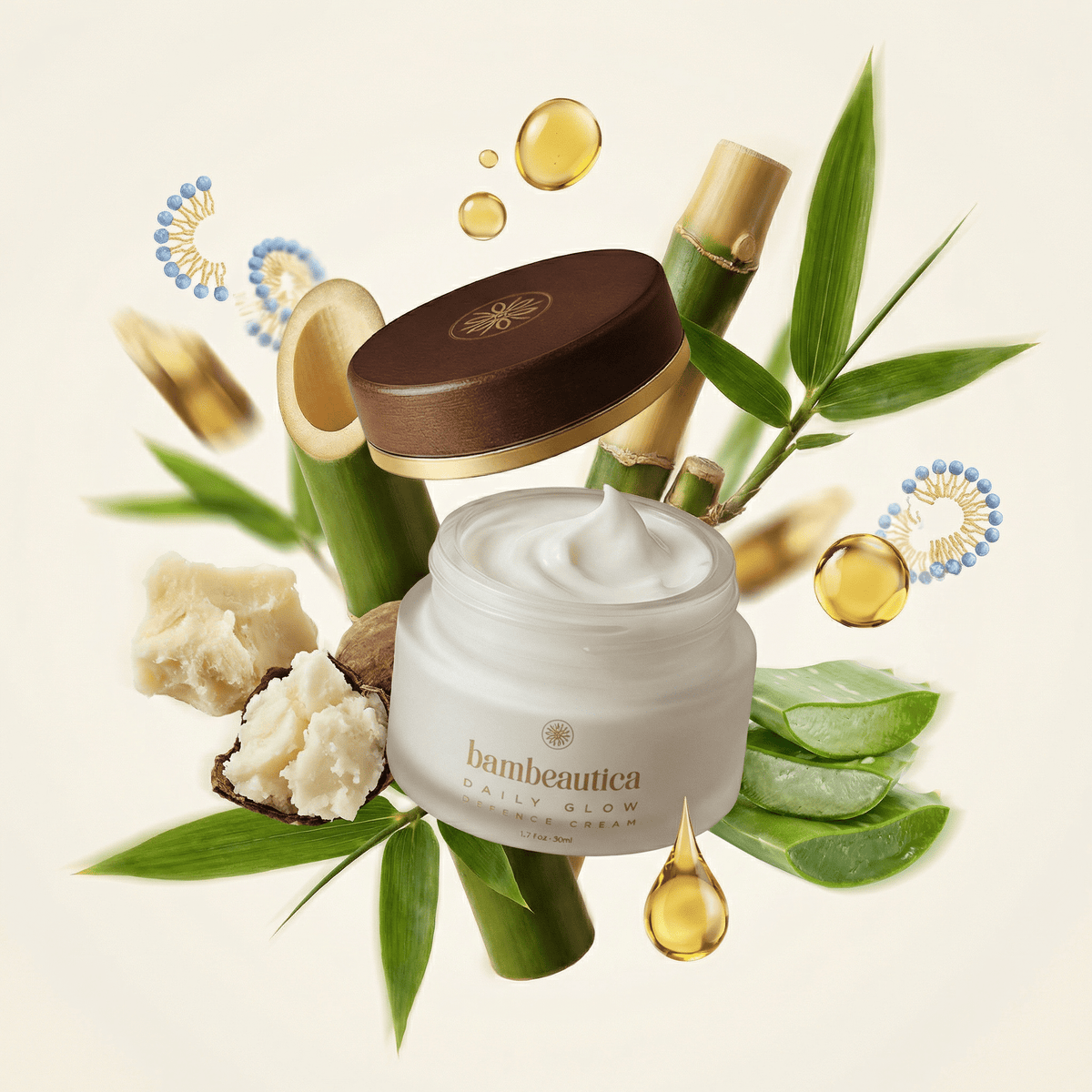
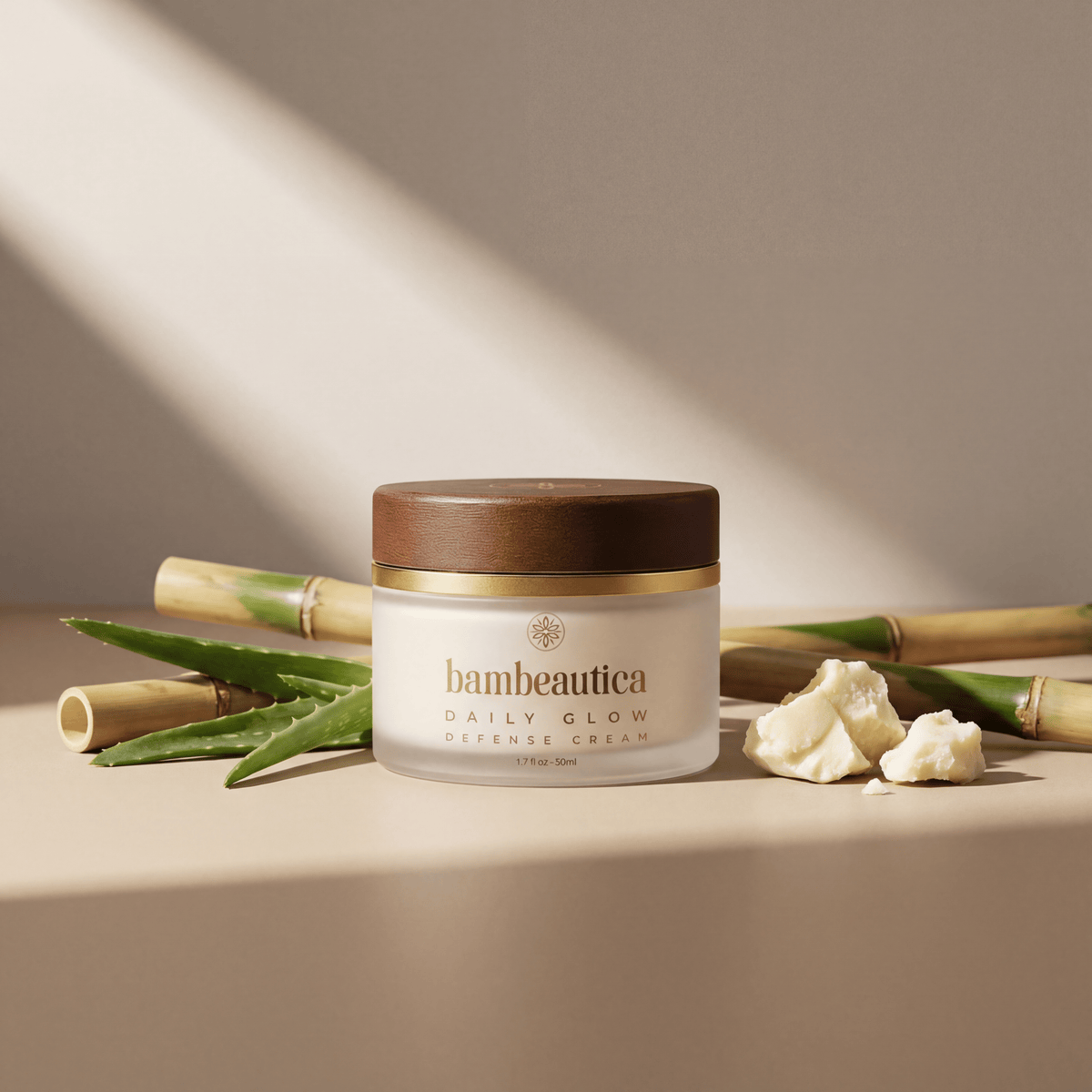
Link to Daily Glow Defense Moisturizer
Step 3 - Optional Oils or Occlusives
For extra protection, especially in dry climates, natural oils or occlusive balms lock in hydration and prevent TEWL (transepidermal water loss).

Common Myths About Hydration vs Moisture
Heavy Cream = Hydration
A thick cream provides moisture but doesn’t deliver water to the skin; hydration requires humectants.
Water-Based Products Alone Are Enough
Without sealing moisture, hydrated skin quickly loses water, leading to dehydration.
Only Dry Skin Needs Moisture
Even oily or combination skin benefits from lipids to protect barrier function and prevent sensitivity.